Flensburg’s old town on foot: merchant courtyards, rum and hidden lanes
Flensburg’s old town runs from Südermarkt to Nordertor, a good mile along the fjord. Walk only along the pedestrian street and you will see beautiful façades. Walk through the gateways and you discover the town behind them: merchant courtyards, warehouses and passages where rum, sugar and goods from all over the world were once stored.
From Boutiquehotel Petuh you are in the middle of it within five minutes. Our route takes you from south to north and back along the harbour.
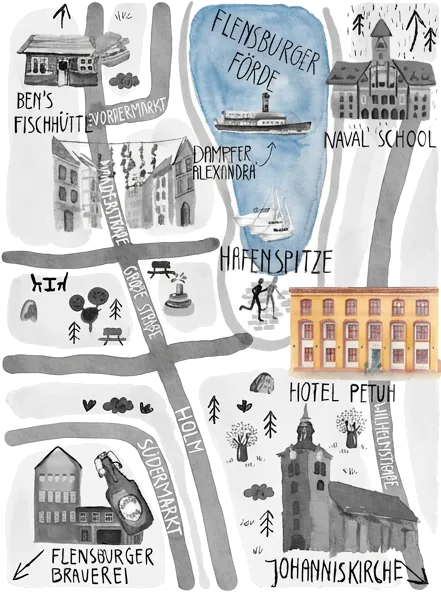
The south: St. John’s, Südermarkt and Rote Straße
Right behind our house begins the St. John’s quarter, one of the oldest parts of town. From here you cross Südermarkt into Rote Straße, Flensburg’s most beautiful lane.
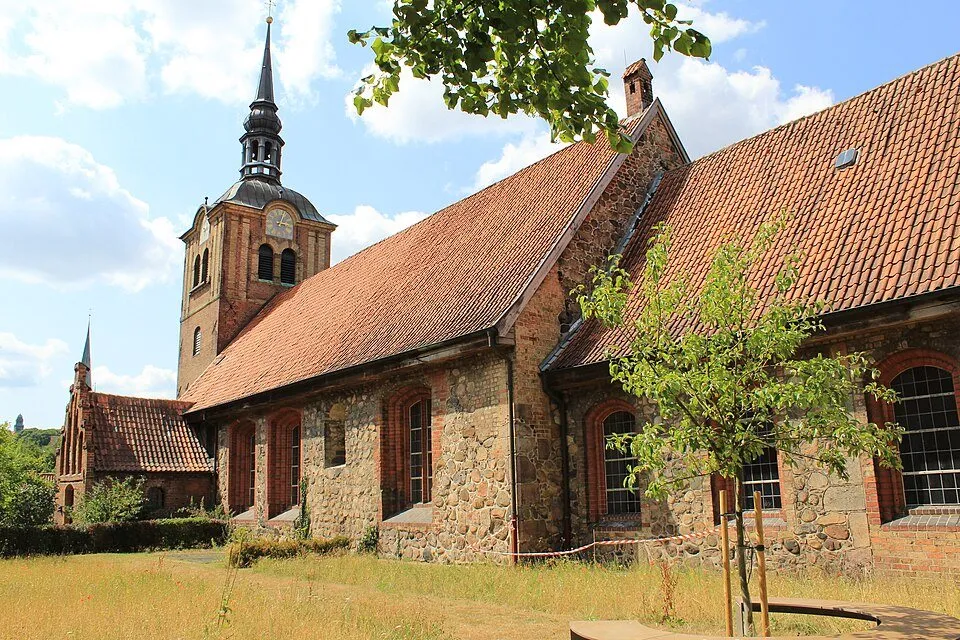
St. John’s Church (St. Johannis)
The smallest and oldest of the three great old town churches. According to legend, building began as early as 1128, long before Flensburg became a town. A quiet place that few day visitors find.
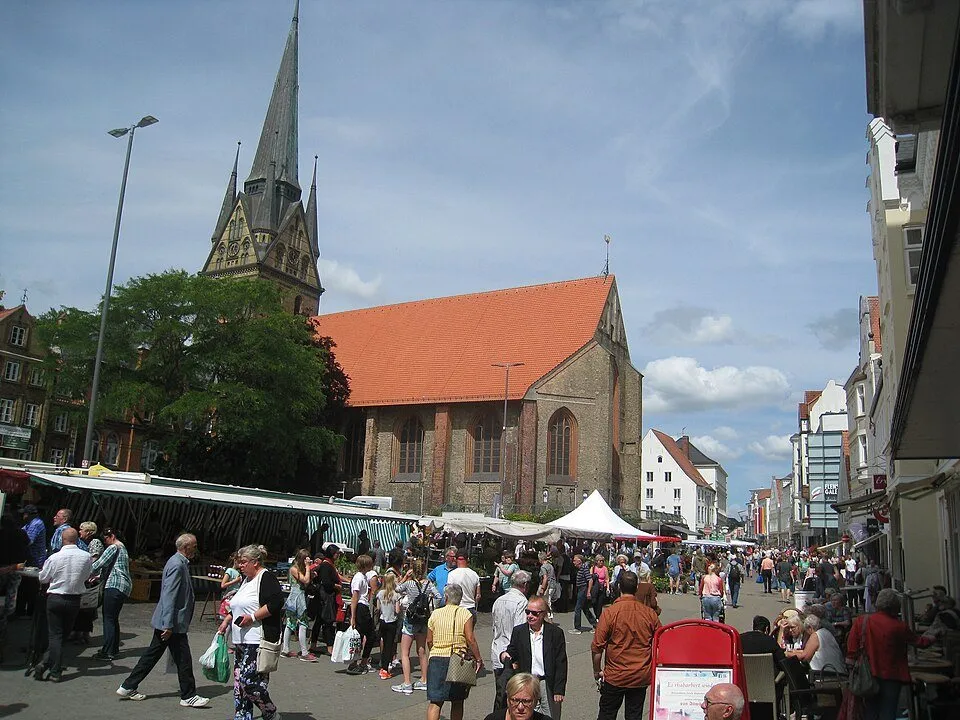
Südermarkt
The square around St. Nicholas’ Church. On Wednesdays and Saturdays there is a market with fruit, fish and flowers from the region. On Saturday mornings, half of Flensburg is out and about here.
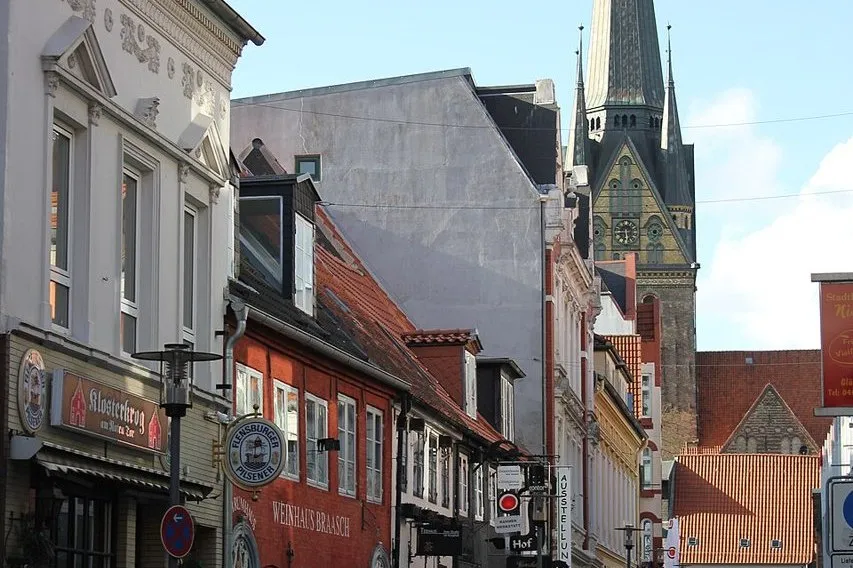
Rote Straße
Cobblestones, small shops and galleries, and almost every house number leads into a courtyard. Just walk through the open gateways, many courtyards are accessible during the day.
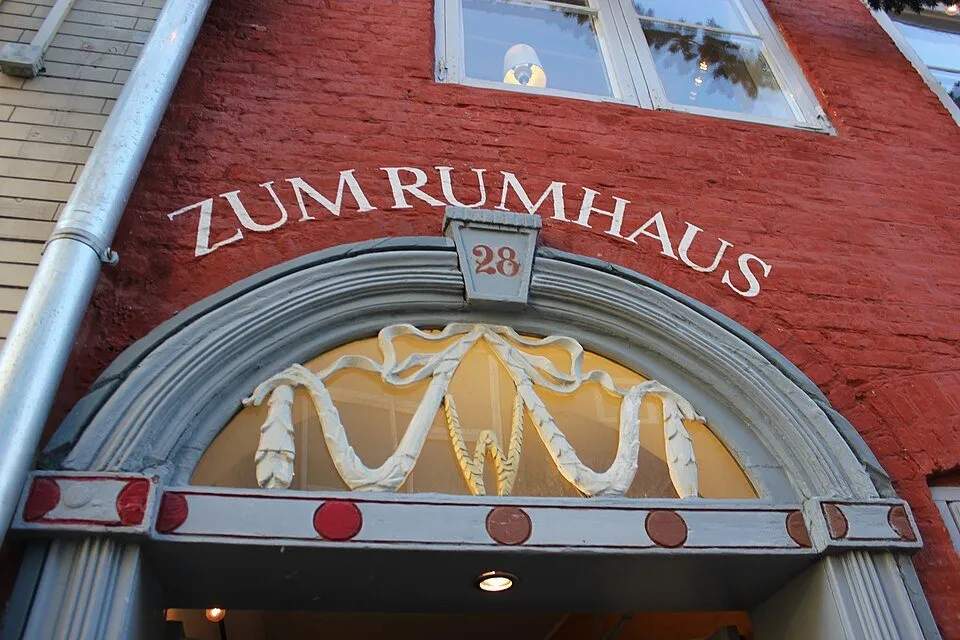
Braasch wine and rum house
One of Flensburg’s last rum houses, with its own small museum about the triangular trade and the history of sugar and rum.
Website →Rum and sugar: Flensburg’s sweet history
In the 18th century Flensburg was one of the most important ports for trade with what were then the Danish West Indies. Sugar and rum came from St. Croix, St. Thomas and St. John and were blended and refined in Flensburg. At its peak the town had more than 200 rum houses.
You can still find traces of that time, if you know where to look.
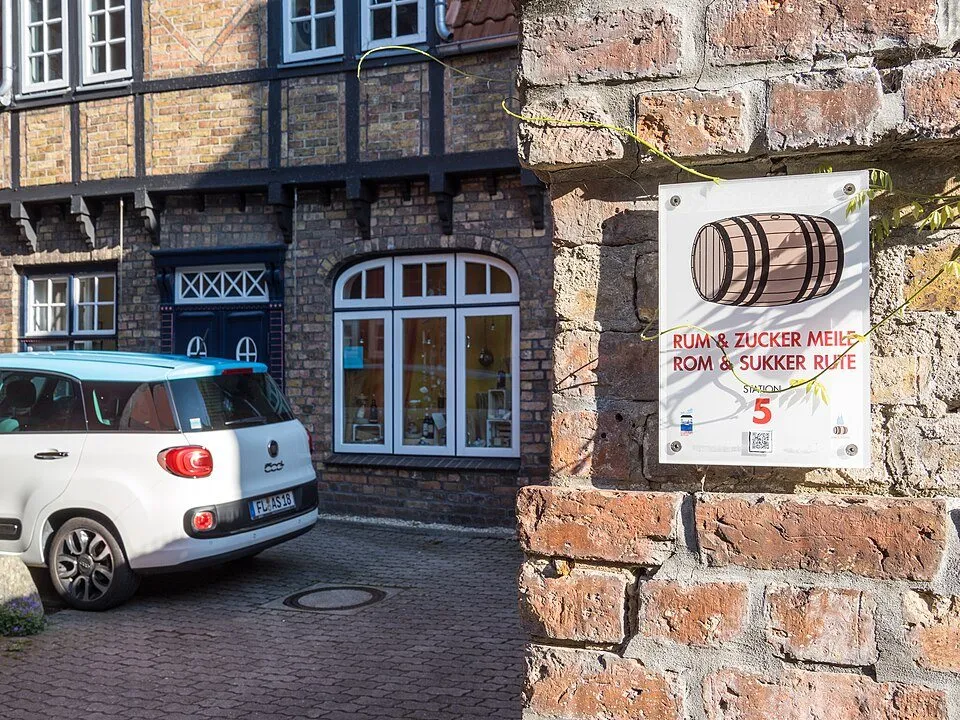
Rum and Sugar Mile
A signposted route with 20 stations through the old town. Walk it on your own and at your own pace, perfect for an afternoon.
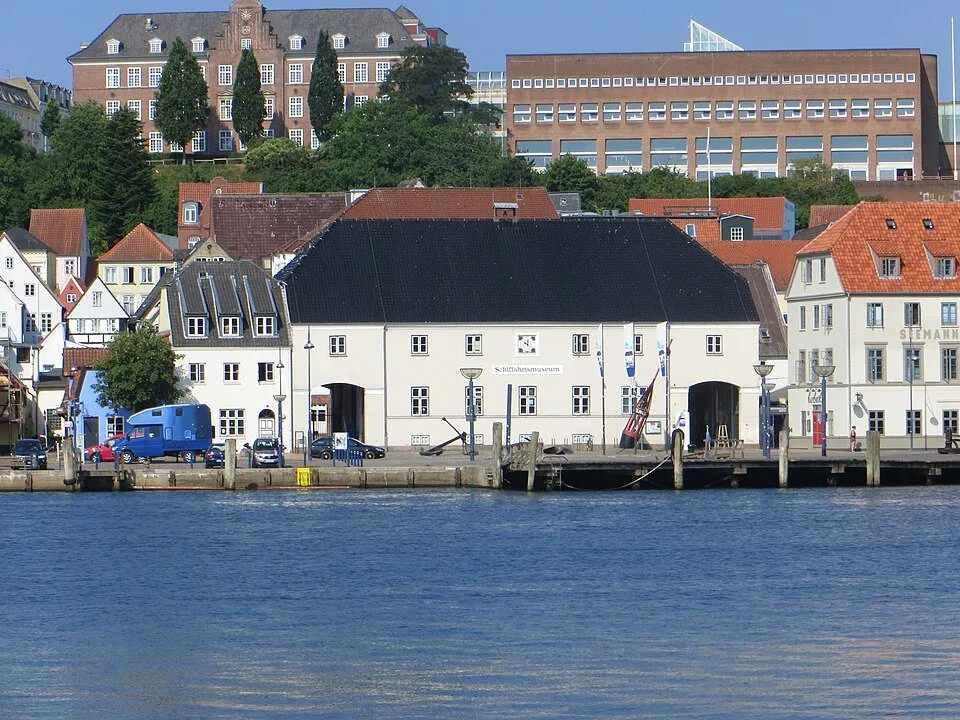
Rum Museum at the Maritime Museum
The pure rum used to be stored in the vaulted cellar of the old customs warehouse. Today the Rum Museum tells the story of the trade there, while upstairs the museum is all about ships and seafaring on the fjord.
Website →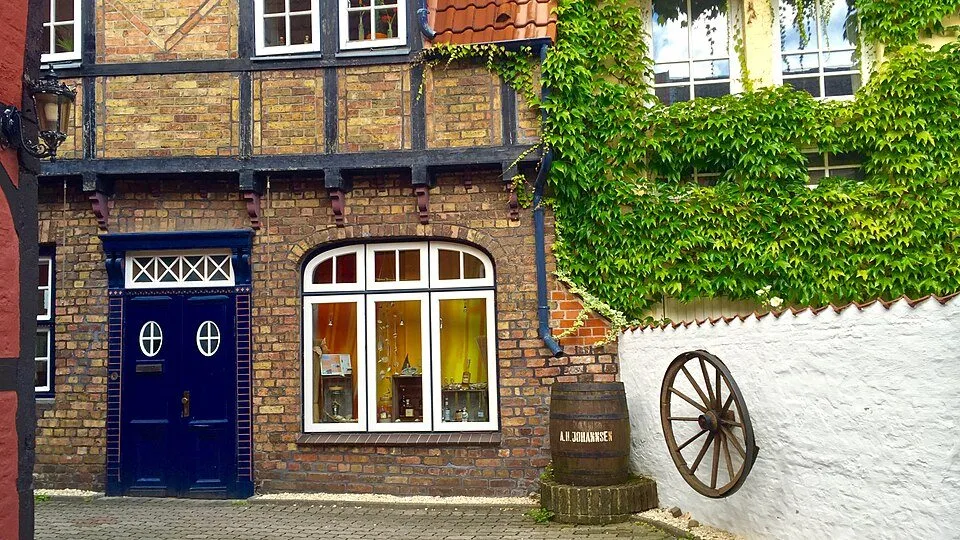
Johannsen rum house
The oldest rum house in town that is still in business. You can taste and buy here, and guided tours take you through production and the warehouse. A lovely souvenir to take home.
Website →The north: Holm, Nordermarkt and Nordertor
North of Holm the old town grows quieter. This is where merchants and captains lived, and the passages down to the water recall the days when sailing ships moored here.
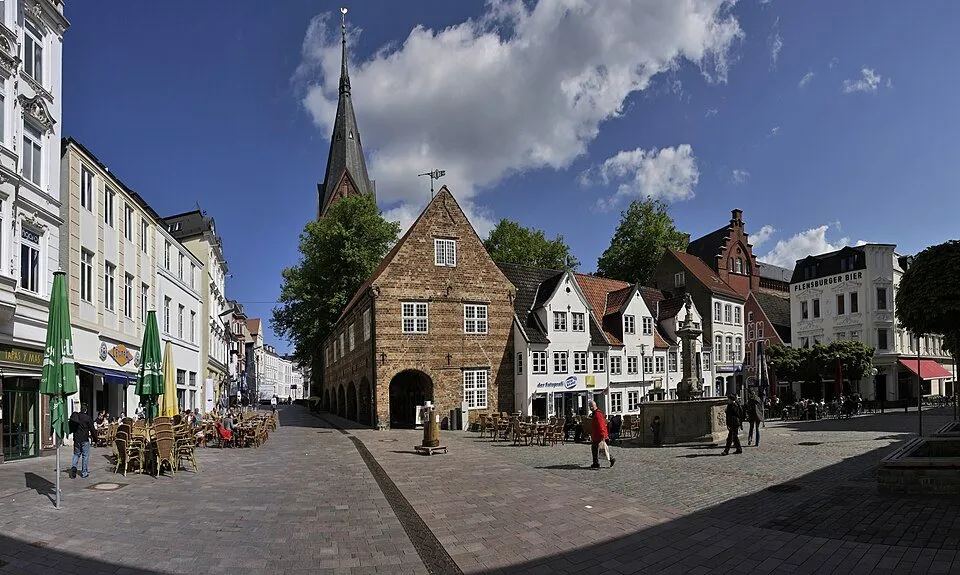
Nordermarkt and Schrangen
A square with a Neptune fountain and cafés. Bakers and butchers once sold their goods under the arcades of the Schrangen. On a sunny day, the best spot for a coffee.
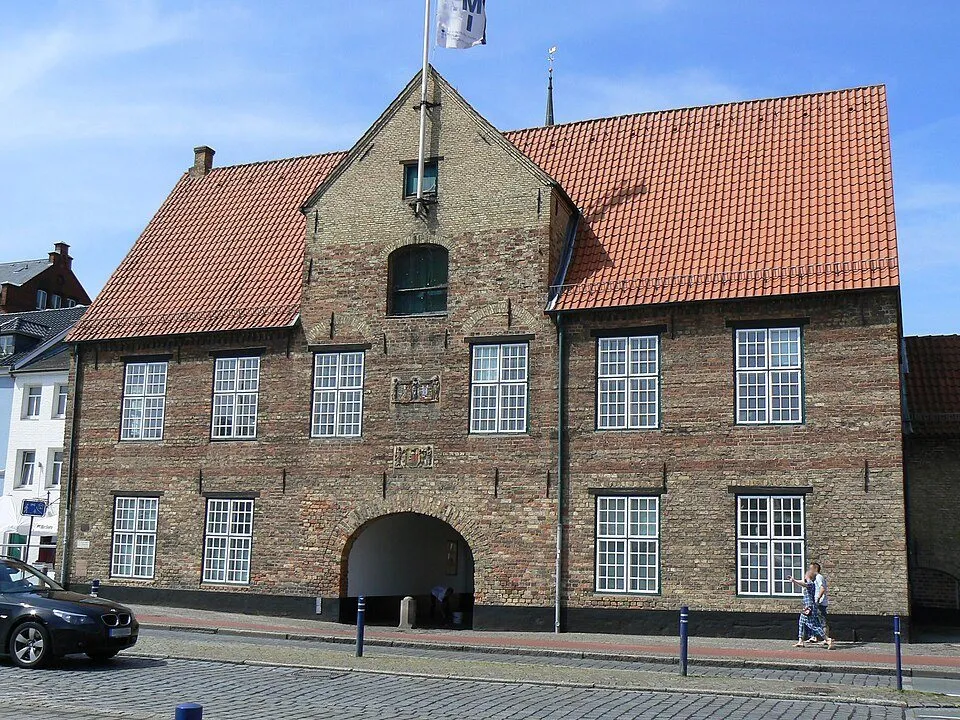
Kompagnietor
Built in 1604 as the guild house of skippers and merchants. Flood marks from past storm surges are set into the corner of the building. Take a close look, the fjord has risen astonishingly high here.
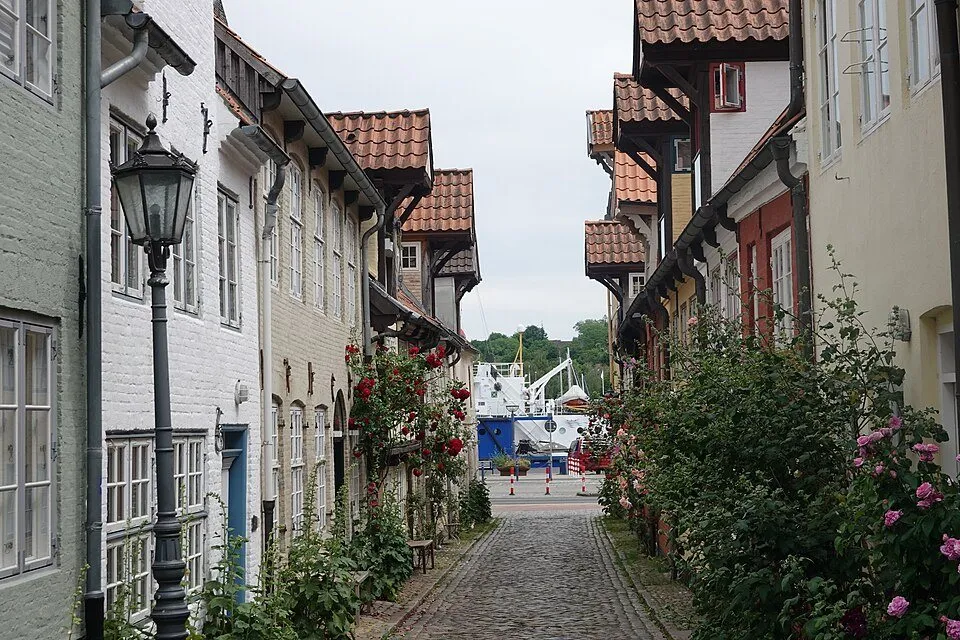
Oluf-Samson-Gang
A narrow lane of colourful, lovingly restored houses, once home to sailors and craftsmen. Most beautiful at dusk, when the windows light up.
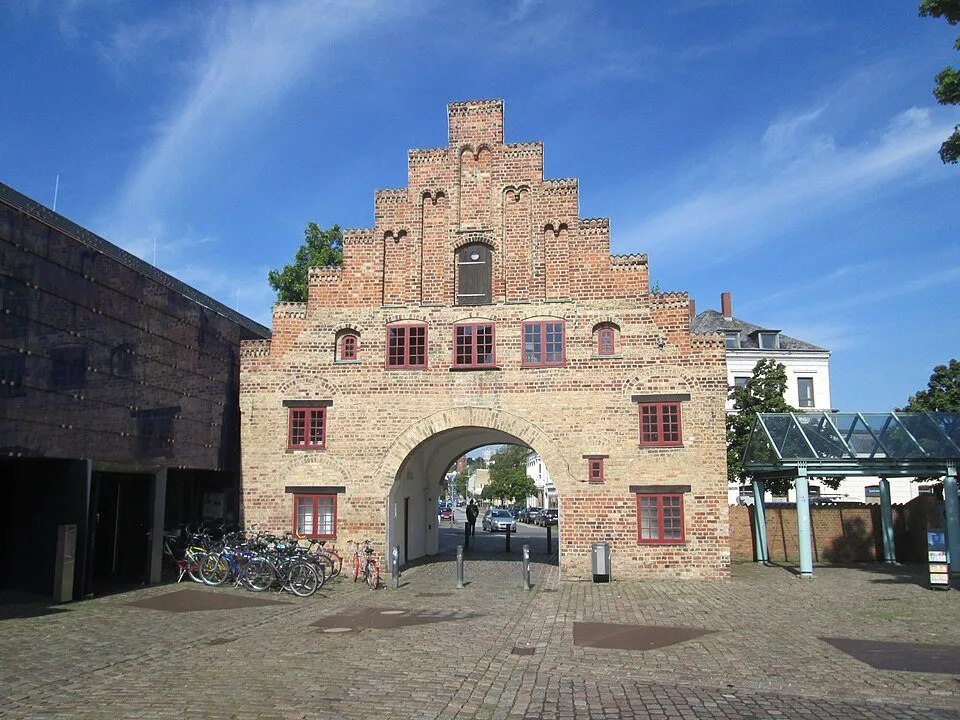
Nordertor
The town’s landmark, built around 1595. Above the arch you can see the coat of arms of the Danish king Christian IV and the town’s own. Right next door is the Phänomenta, a hands-on science centre for the curious.
Website →Up the hill: Museumsberg and the Old Cemetery
From the old town, steps lead up to the Westliche Höhe. It is green and quiet up here, and the view stretches over the rooftops to the fjord.
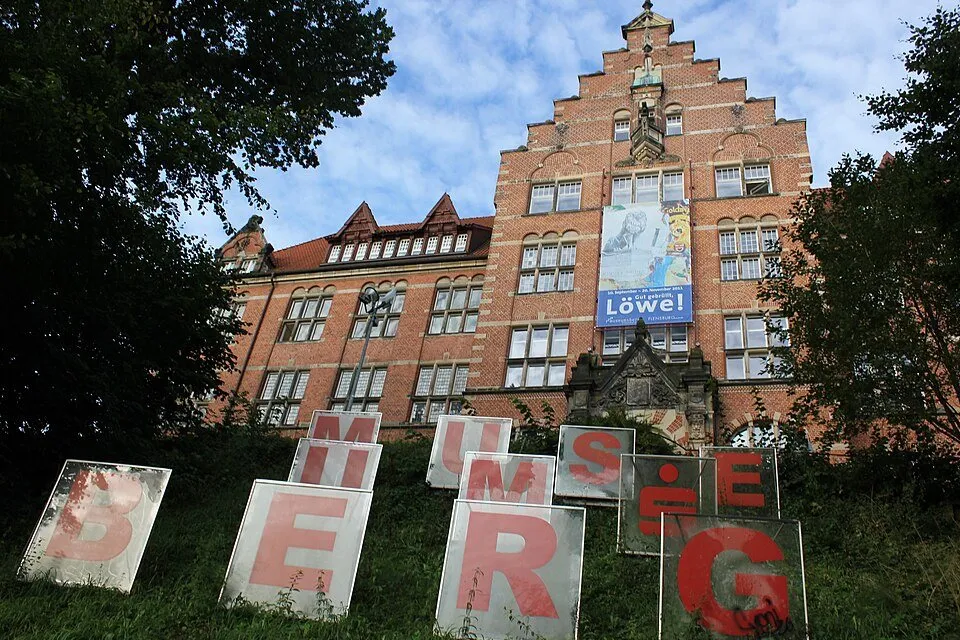
Museumsberg
Art and cultural history from Schleswig and Southern Jutland, with a remarkable furniture collection from the Middle Ages to Classicism. Next door, the Hans Christiansen House shows works by Flensburg’s Art Nouveau artist.
Website →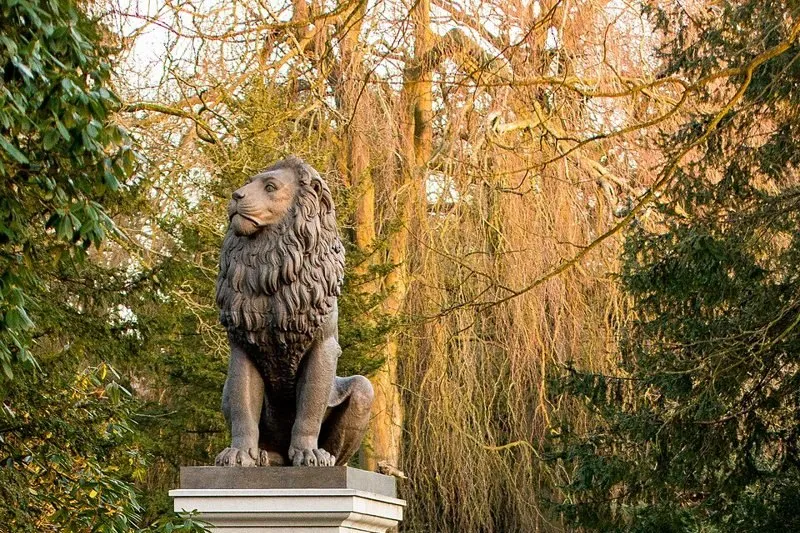
Old Cemetery and Idstedt Lion
Flensburg’s first municipal cemetery, an almost unchanged monument of Classicism. Here stands the Idstedt Lion by the Danish sculptor H. W. Bissen, today a symbol of good neighbourliness in the border region.
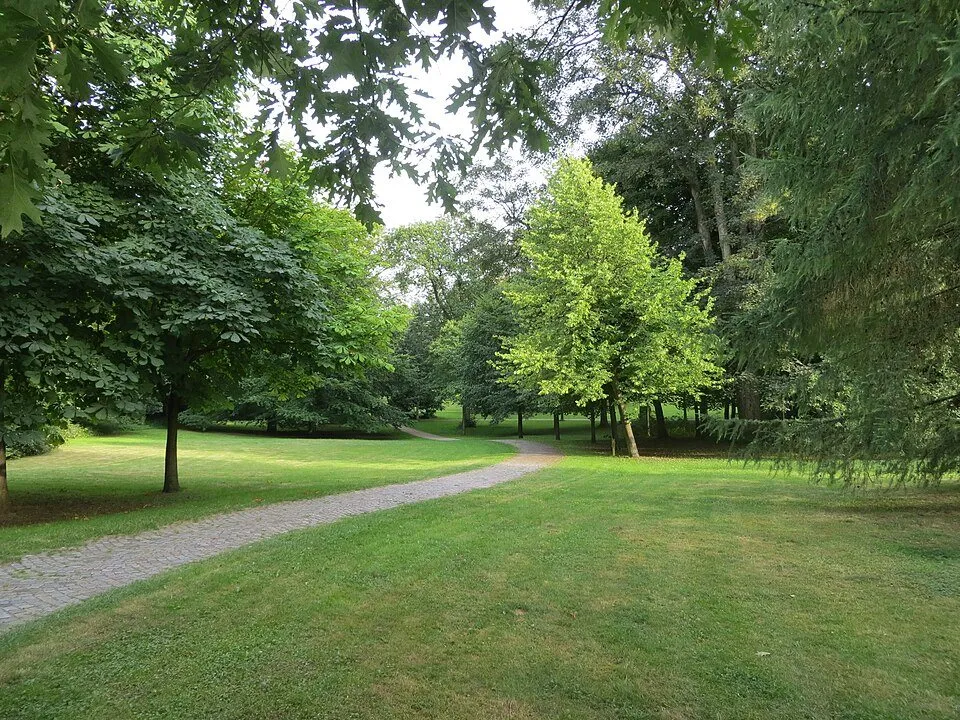
Christiansenpark
A quiet park on the Westliche Höhe, good for a short stroll between museum and old town.
Danish Flensburg
Around one in five people in Flensburg feel part of the Danish minority. You notice it everywhere: in Danish schools and clubs, in the daily paper Flensborg Avis and at the bakery, where Danish is spoken as a matter of course.
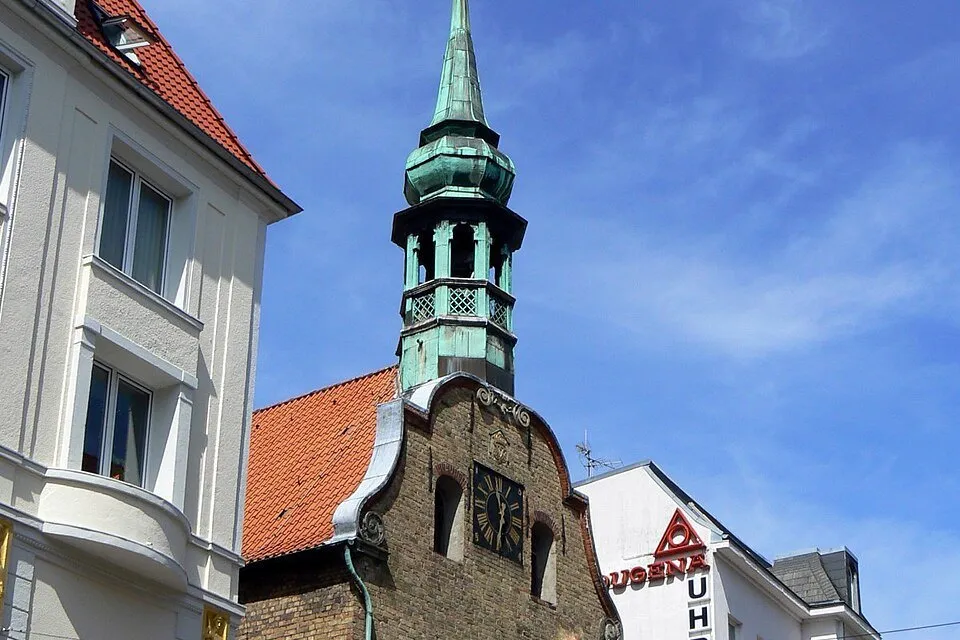
Church of the Holy Spirit
The church of the Danish congregation, right in the pedestrian street. If the door is open, step inside for a moment of calm.
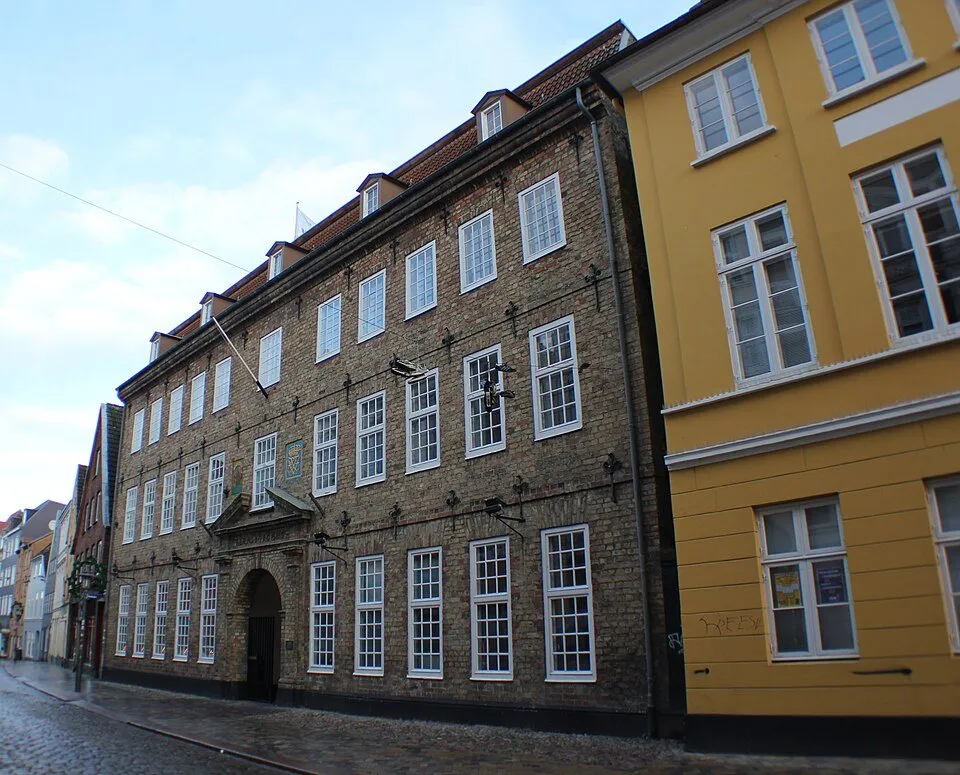
Flensborghus
The cultural house of the Danish minority, with concerts and events in Danish.
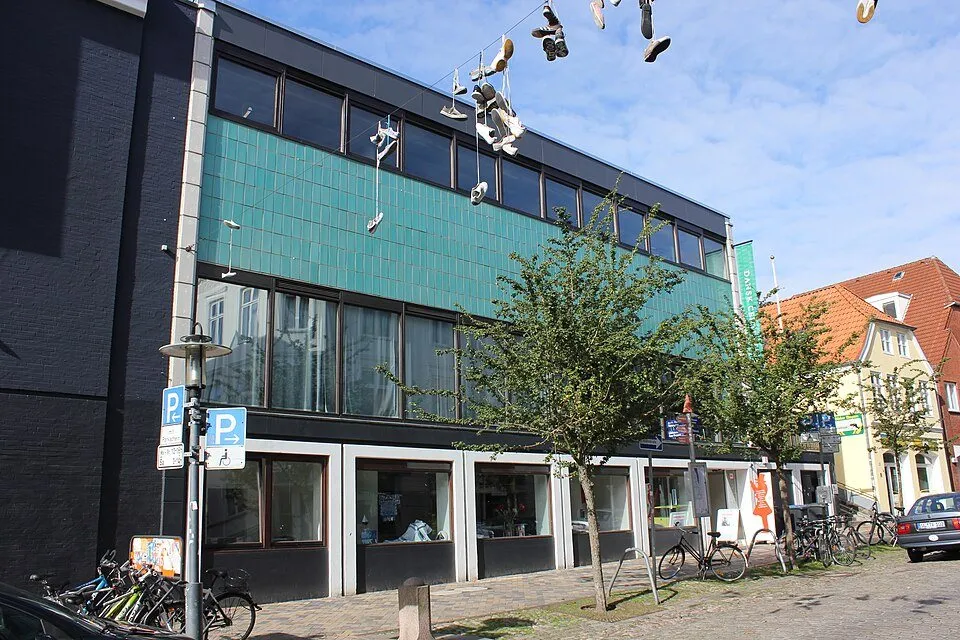
Danish Central Library
Flensborg Bibliotek with the Slesvigske Samling, the memory of the border region. Tours and town walks in Danish are free on request.
Our guides
A weekend in Flensburg: our two-day plan
Friday to Sunday without rushing: harbour, merchant courtyards, the beach and homemade breakfast twice.
Fjord and beachesThe fjord and the beaches: our favourite places by the water
Beaches for early swimmers, a steamer from 1908 and a peninsula where Germany ends.
Day tripsDay trips from Flensburg: castles, Denmark and wild nature
A moated castle, a royal garden and wild horses, all less than an hour away.